

تستند المأساة المستمرة في فلسطين إلى تاريخ معقّد من الخيانة السياسية وتفكك الأمة الإسلامية. فقد أدّى ضعف الدولة العثمانية، آخر خلافة إسلامية موحدة، وسقوطها إلى زعزعة إستقرار المنطقة وترك فلسطين عرضةً للأطماع الإستعمارية والاستيطانية. وعلى الرغم من أن الثورة العربية ضد الحكم العثماني سعت إلى تحقيق الاستقلال العربي، إلا أنها أسهمت – دون قصد – في تفكيك وحدة المسلمين السياسية دون أن تقي فلسطين من الهيمنة الأجنبية. وسرعان ما استغلّت الحركات الصهيونية والقوى الإمبريالية هذا الفراغ، ممهّدة الطريق لسلب الفلسطينيين أرضهم وتشريدهم.
ومنذ نكبة عام 1948، يعاني الفلسطينيون من احتلال استيطاني صهيوني لا يعرف الرحمة، يتمثل في القتل الممنهج، والتهجير القسري، والحصار الخانق، والانتهاك اليومي للمقدسات الإسلامية والمسيحية. وقد استمرّت تُرتكب تلك الجرائم على مدى أكثر من سبعة عقود بإفلات تام من العقاب، وتحت أنظار المجتمع الدولي اللامبالي، والأدهى من ذلك، وسط صمتٍ شبه كامل من الأمة الإسلامية.
إن النكبة لم تكن حدثًا مفردًا، بل نتاجًا لسلسلة من الخيانات المتتالية: بيع الأراضي الفلسطينية للكيانات الصهيونية، المؤامرات الجيوسياسية التي أعقبت سقوط الخلافة، الصمت المستمر والتواطؤ السياسي من قبل العديد من الدول الإسلامية في مواجهة هذا الظلم المتجذّر.
وهذا الصمت لا يُعدّ مجرد غياب للكلام فحسب، بل هو خيانة نشطة لقيم الإسلام الجوهرية في العدل والوحدة والتكافل.
فقد أمر الله تعالى بقوله:
﴿إِنَّ اللَّهَ يَأْمُرُكُمْ أَنْ تُؤَدُّوا الْأَمَانَاتِ إِلَىٰ أَهْلِهَا ۖ وَإِذَا حَكَمْتُم بَيْنَ النَّاسِ أَن تَحْكُمُوا بِالْعَدْلِ﴾
(سورة النساء، الآية 58)
ومع ذلك، فقد تمّ التخلي عن هذا الأمر الإلهي في قضية فلسطين.
إن الكارثة الإنسانية الراهنة في غزة تمثّل نتيجة مباشرة لهذه الخيانات المتراكمة. وتصور التقارير الأخيرة الصادرة عن الأمم المتحدة مشهدًا مروّعًا؛ فقد اتّهمت “اللجنة الدولية المستقلة للتحقيق” التابعة للأمم المتحدة (يونيو 2025) الكيان الصهيوني بإرتكاب جرائم ضد الإنسانية، منها القتل العمد للمدنيين في المدارس والمساجد، وتدمير واسع النطاق للبنية التحتية التعليمية والثقافية، والانتهاك المنهجي للقانون الإنساني الدولي.
وقد وثّق مكتب المفوض السامي لحقوق الإنسان الهجمات العشوائية على الأهداف المدنية، بما في ذلك المستشفيات، مما أوصل نظام الصحة في غزة إلى حافة الانهيار. وأفاد “صندوق الأمم المتحدة للسكان” بمقتل أكثر من 45,000 فلسطيني في العدوان الأخير، حيث يشكّل النساء والأطفال قرابة 70% من الضحايا، في حين نزح قرابة مليونَي فلسطيني داخليًا بسبب القصف المستمر والحصار.
لكن الخيانة لم تأتِ من الخارج فحسب، بل تفاقمت بفعل التشرذم الداخلي بين المسلمين. فالطائفية، والتنازع القومي، والأجندات الجيوسياسية المتضاربة، كلها مزّقت قدرة الأمة على التحرك برؤية أخلاقية موحدة وإرادة جماعية. وبدلًا من أن تمثّل الأمة صفًّا واحدًا، بقيت منقسمة، مما أضعف مصداقيتها وساهم في إخماد صوت العدل في المحافل الدولية.
كما فشلت المؤسسات القانونية الدولية في إنصاف الشعب الفلسطيني. فعدد لا يُحصى من قرارات الأمم المتحدة بقيت حبراً على ورق، والإجراءات أمام المحكمة الجنائية الدولية تسير ببطء شديد دون نتائج ملموسة، بينما تستمر الدول الغربية الكبرى في حماية الكيان المحتلّ من أي محاسبة. وهذه الحصانة المتجذّرة تغذي دائرة العنف والإحتلال واليأس.
ومع ذلك، يشهد التاريخ على صمود الشعب الفلسطيني الذي يواصل مقاومته بثبات وعزّة من المخيمات إلى القرى والمدن، وقد قال النبي محمد ﷺ:
«المؤمن القوي خيرٌ وأحب إلى الله من المؤمن الضعيف، وفي كلٍّ خير»
(رواه مسلم، رقم 2664)
و يتجلى هذا الإيمان القوي في صلابة الفلسطينيين وصبرهم.
لقد آن للأمة أن تستفيق من سباتها الأخلاقي والسياسي. يقول الله تعالى:
﴿وَمَا لَكُمْ لَا تُقَاتِلُونَ فِي سَبِيلِ اللَّهِ وَالْمُسْتَضْعَفِينَ مِنَ الرِّجَالِ وَالنِّسَاءِ وَالْوِلْدَانِ الَّذِينَ يَقُولُونَ رَبَّنَا أَخْرِجْنَا مِنْ هَٰذِهِ الْقَرْيَةِ الظَّالِمِ أَهْلُهَا وَاجْعَل لَّنَا مِن لَّدُنكَ وَلِيًّا وَاجْعَل لَّنَا مِن لَّدُنكَ نَصِيرًا﴾
(سورة النساء، الآية 75)
فأين الأمة إذًا من هذا النزيف المستمر؟
سؤال يستوجب التأمل العميق والعمل العاجل، وقد تكمن الإجابة في تجاوز الانقسامات الطائفية والسياسية، وتحقيق وحدة حقيقية، وتقديم الدعم الشامل – السياسي والإقتصادي والإجتماعي – للقضية الفلسطينية. فالصمت أو المجاملة أو التعاون الإقتصادي مع المحتل ليس سوى خيانة للأخلاق الإسلامية وللمبادئ الإنسانية العالمية.
إن الطريق إلى الأمام يتطلّب يقظة جماعية: من الحكومات والمجتمع المدني والأفراد.
كما ينبغي أن تُبنى السياسات الخارجية على أساس المبادئ، وأن تُرفع أصوات الفلسطينيين في المحافل الدولية، وأن تُصلَح المناهج التربوية لتعكس حقيقة الاحتلال والمقاومة.
كما قال النبي محمد ﷺ:
«مَن رأى منكم منكراً فليغيّره بيده، فإن لم يستطع فبلسانه، فإن لم يستطع فبقلبه، وذلك أضعف الإيمان»
(رواه مسلم، رقم 49)
فالصمت والتقاعس في وجه الظلم لا يُعدان حيادًا، بل يضعفان الإيمان وينقضان الأمانة التي وُضعت على عاتق المسلمين.
وتتجلى هذه الخيانة كذلك في الفضاءات الإجتماعية والتعليمية في العالم الإسلامي، حيث تؤدي اللامبالاة والتضليل والانفصال عن الحقيقة إلى حجب واقع فلسطين عن الأجيال. إن إحياء التعليم الصادق والتضامن الحقيقي ليس خيارًا، بل ضرورة لا بد منها، وعلى كل مسلم، وكل مؤسسة إسلامية، وكل مجتمع، أن يسأل: ماذا نفعل – على وجه التحديد – لإنهاء هذا الظلم، ووكيف نكسر قيود الصمت والخيانة؟
يكمن الجواب في الفعل المتواصل: مناصرة سياسية، وضغط عالمي، وتوعية جماهيرية، وتضامن لا يتزعزع. حينها فقط يمكننا استعادة البوصلة الأخلاقية التي كانت الأمة يومًا تستنير بها.
ففلسطين اليوم تقف على مفترق طرق بين نكبة تاريخية وخيانة معاصرة. إنها اختبار لضميرنا الأخلاقي وإرادتنا السياسية. ومن يتخلّى عن فلسطين، فقد تخلّى عن العدالة ذاتها.
ويبقى السؤال قائمًا:
هل ستنهض الأمة لتلبّي نداء هذا الزمن؟ أم ستظلّ شريكة في صمتها؟
Palestine Between the Catastrophe of the Past and the Betrayal of Silence: Where Is the Ummah Amid Palestinian Bloodshed?
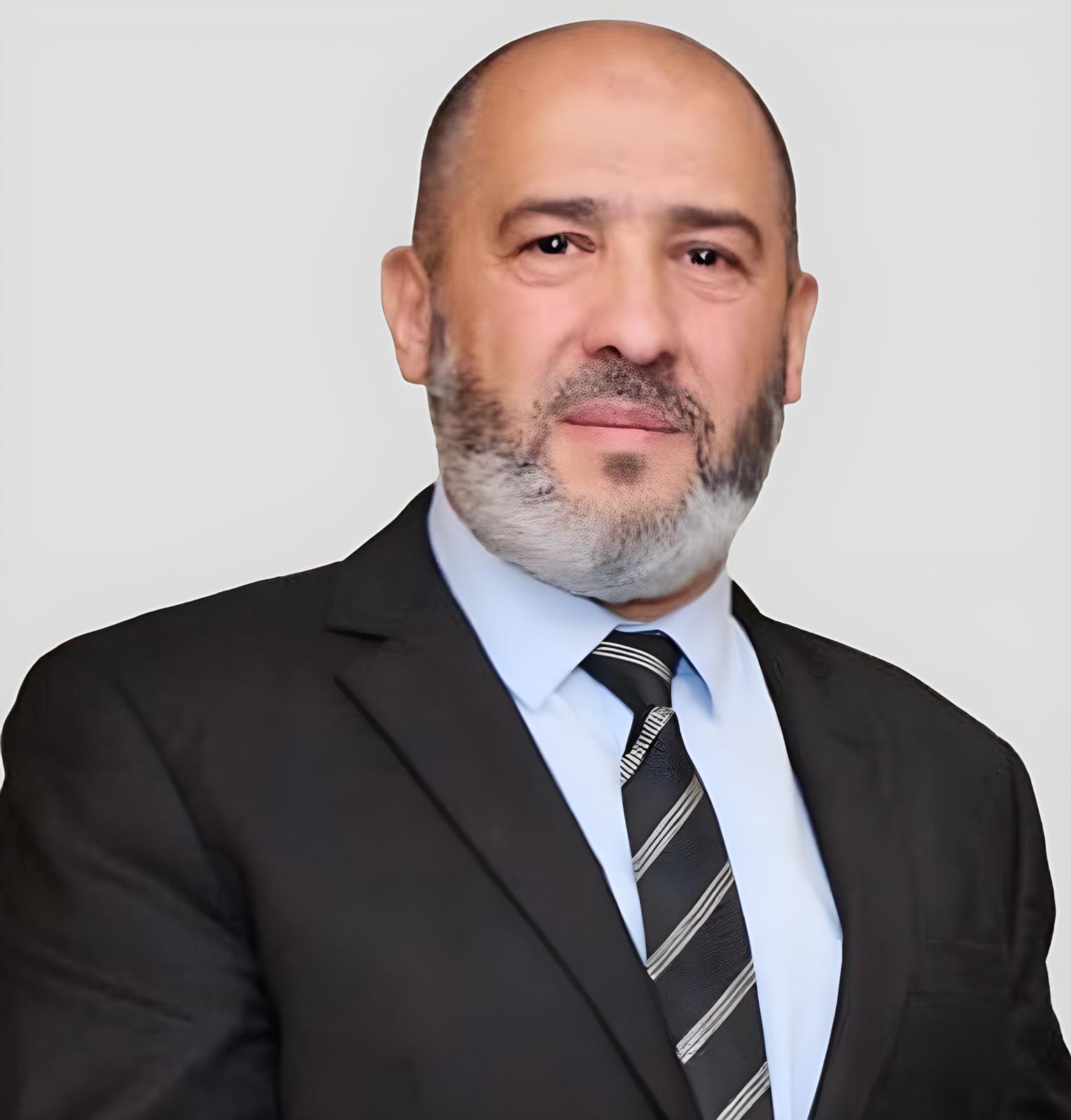
By Dr. Rateb Jneid
The ongoing tragedy of Palestine is based in a complex history of political betrayal and the fragmentation of the Muslim Ummah. The weakening and eventual collapse of the Ottoman Empire, the last unified Islamic Caliphate destabilized the region and left Palestine vulnerable to colonial and settler-colonial ambitions. Though the Arab Revolt against Ottoman rule sought to achieve Arab independence, it inadvertently contributed to the disintegration of Muslim political unity without protecting Palestine from foreign domination. This vacuum was quickly exploited by Zionist movements and imperial powers, paving the way for the dispossession and dispersal of the Palestinian people.
Since the Nakba of 1948, Palestinians have endured a relentless settler-colonial Zionist occupation marked by systemic killings, forced displacement, suffocating blockades, and daily violations of Islamic and Christian holy sites. These atrocities have persisted for more than seven decades, carried out with impunity under the indifferent gaze of the international community and, more painfully, under the near silence of the global Muslim Ummah.
The Nakba was not a single event, but the culmination of successive betrayals – the sale of Palestinian land to Zionist entities, the geopolitical intrigues that followed the fall of the Caliphate, and the enduring silence and political complicity of many Muslim states in the face of unrelenting injustice.
This silence is not merely a lack of speech, it is an active betrayal of Islam’s core values of justice, unity, and solidarity. The Qur’an commands:
“Indeed, Allah commands you to render trusts to whom they are due and when you judge between people, to judge with justice…” (Qur’an, 4:58)
Yet, this divine command has been abandoned in the case of Palestine.
The current humanitarian catastrophe in Gaza is a direct consequence of these betrayals. The latest reports from the United Nations paint a horrifying picture. The UN Independent International Commission of Inquiry (June 2025) has accused Israel of crimes against humanity including the deliberate killing of civilians sheltering in schools and mosques, widespread destruction of educational and cultural infrastructure, and systematic violations of international humanitarian law.
The Office of the High Commissioner for Human Rights has documented indiscriminate attacks on civilian targets, including hospitals, which have brought Gaza’s health system to the brink of collapse. The UN Population Fund reports over 45,000 Palestinians killed in recent hostilities, with women and children making up around 70% of fatalities. Nearly two million Palestinians have been internally displaced due to the ongoing bombardment and blockade.
But betrayal does not come from external actors alone. It is compounded by internal disunity among Muslims. Sectarianism, national rivalries, and competing geopolitical agendas have shattered the Ummah’s capacity to act with moral clarity and unified resolve. Instead of presenting a unified front, the Muslim world remains fragmented, diminishing its credibility and weakening its ability to defend justice globally.
International legal institutions have similarly failed the Palestinian people. Countless UN resolutions remain unenforced; proceedings before the International Criminal Court drag on without resolution; and powerful Western nations continue to shield the occupying regime from any accountability. This entrenched impunity feeds the ongoing cycle of violence, occupation, and despair.
Yet history also attests to the resilience of the Palestinian people. From refugee camps to villages to urban centres, they continue to resist with steadfastness and dignity. As the Prophet Muhammad ﷺ said: “The strong believer is better and more beloved to Allah than the weak believer, though in both there is good.” (Sahih Muslim, 2664)
That strength is embodied in Palestinian perseverance.
It is time for the Ummah to awaken from its moral and political slumber. Allah commands:
“And what is [the matter] with you that you fight not in the cause of Allah and [for] the oppressed among men, women, and children who say, ‘Our Lord, take us out of this city of oppressive people and appoint for us from Yourself a protector and appoint for us from Yourself a helper?’”
(Qur’an, 4:75)
Where, then, is the Ummah amidst this ongoing bloodshed?
This question demands urgent reflection and action. The answer lies in transcending sectarian and political divisions, building genuine unity, and offering comprehensive support, political, economic, and social for the Palestinian cause. Silence, appeasement, or economic engagement with the occupier is a betrayal of both Islamic ethics and universal human rights.
The road ahead requires a collective awakening: from Muslim governments, civil society, and individuals alike. We must adopt foreign policies grounded in principle, amplify Palestinian voices on the world stage, and reform educational narratives to reflect the reality of occupation and resistance.
The Prophet Muhammad ﷺ also said:
“Whoever among you sees an evil, let him change it with his hand; if he cannot, then with his tongue; and if he cannot, then with his heart and that is the weakest of faith.” (Sahih Muslim, 49)
Silence and inaction in the face of oppression are not neutral, they diminish faith and violate the sacred trust placed upon Muslims.
This betrayal also manifests in the social and educational spaces of the Muslim world, where indifference, misinformation, and disengagement obscure the truth of Palestine. Reviving truthful education and authentic solidarity is not optional it is essential.
Every Muslim, every Islamic institution, every community must ask: What are we doing, concretely, to end this injustice? How do we break the chains of silence and betrayal?
The answer lies in sustained action: political advocacy, global pressure, public education, and unwavering solidarity. Only then can we reclaim the moral clarity the Ummah once stood for.
Palestine today stands at the crossroads of historical catastrophe and contemporary betrayal. It is a test of our moral compass and political will. To abandon Palestine is to abandon justice itself.
And so, the question remains: will the Ummah rise to meet this moment, or will it remain complicit in its silence?