

أعرب الاتحاد الفيدرالي للمجالس الإسلامية في أستراليا برئاسة الدكتور راتب جنيد عن قلقه البالغ عقب التقارير التي أفادت بإلغاء التمويل الحكومي المخصص لمركز جمعية طه الإنسانية في داندينونغ، وذلك بعد أن أقام أفراد من المجتمع الشيعي مجالس عزاء عقب وفاة آية الله علي خامنئي.
وكان الالتزام بالتمويل قد تم قبل الانتخابات الفيدرالية الأخيرة بما يقارب اثني عشر شهراً. وتعتمد المنظمات المجتمعية في تخطيطها وعملها على مثل هذه الالتزامات، ولذلك فإن الإلغاء المفاجئ للتمويل في هذه المرحلة يثير مخاوف جدية بشأن التأثير المحتمل على المشروع المجتمعي وعلى المستفيدين منه.
ويأتي هذا القرار في ظل حملة عامة وسياسية أوسع تنتقد أفراداً من المجتمع الشيعي في أستراليا لإقامتهم صلوات تأبينية لزعيم ديني. وتُعد هذه الصلوات ممارسة دينية معروفة لدى المسلمين الشيعة عقب وفاة شخصية بارزة في تقاليدهم الدينية.
إن إلغاء التمويل في مثل هذه الظروف يثير مخاوف جدية بشأن شيطنة جماعة دينية بعينها بسبب ممارستها طقساً دينياً مرتبطاً بالحزن على وفاة شخص.
وبغض النظر عن اختلاف الآراء السياسية بشأن الحكومة الإيرانية، فإن الأعمال العدائية الحالية في المنطقة واغتيال آية الله علي خامنئي قد تعرضا لانتقادات واسعة من قبل مراقبين دوليين باعتبارهما انتهاكاً للقانون الدولي وللأعراف الراسخة التي تحكم سلوك الدول.
وقال الدكتور راتب جنيد، رئيس الاتحاد الفيدرالي للمجالس الإسلامية في أستراليا: إن معاقبة أفراد من جماعة دينية في أستراليا أو استهدافهم علناً بسبب حزنهم على قائد يرونه ذا مكانة كبيرة يشكل سابقة مقلقة للغاية.
إن شيطنة المجتمع الشيعي بهذه الطريقة قد تؤدي إلى تعميق الانقسام وسوء الفهم داخل المجتمع الأسترالي، كما تقوض مبادئ الحرية الدينية التي تدّعي أستراليا الالتزام بها.
كما يثير هذا القرار تساؤلات جدية حول الكيفية التي يتم بها توظيف مفهوم التماسك الاجتماعي في النقاش العام حالياً. فإذا كان هذا الإجراء قد اتُّخذ تحت شعار حماية التماسك الاجتماعي، فإن سؤالاً أساسياً يطرح نفسه: ما هو التهديد الحقيقي للتماسك الاجتماعي في قيام أفراد من مجتمع ما بالحزن على وفاة قائد روحي في الخارج؟ ومن الذي تضرر أو أُسيء إليه بسبب ذلك، ولماذا ينبغي إعطاء هذه الحساسيات وزناً أكبر من حق مجتمع بأكمله في الحزن على قائد يحظى بمكانة روحية لديه؟
ويدعو الاتحاد الفيدرالي للمجالس الإسلامية في أستراليا القادة السياسيين ووسائل الإعلام إلى التصرف بمسؤولية، وضمان ألا تسهم النقاشات السياسية الداخلية في وصم المجتمعات الأقلية أو استهدافها.
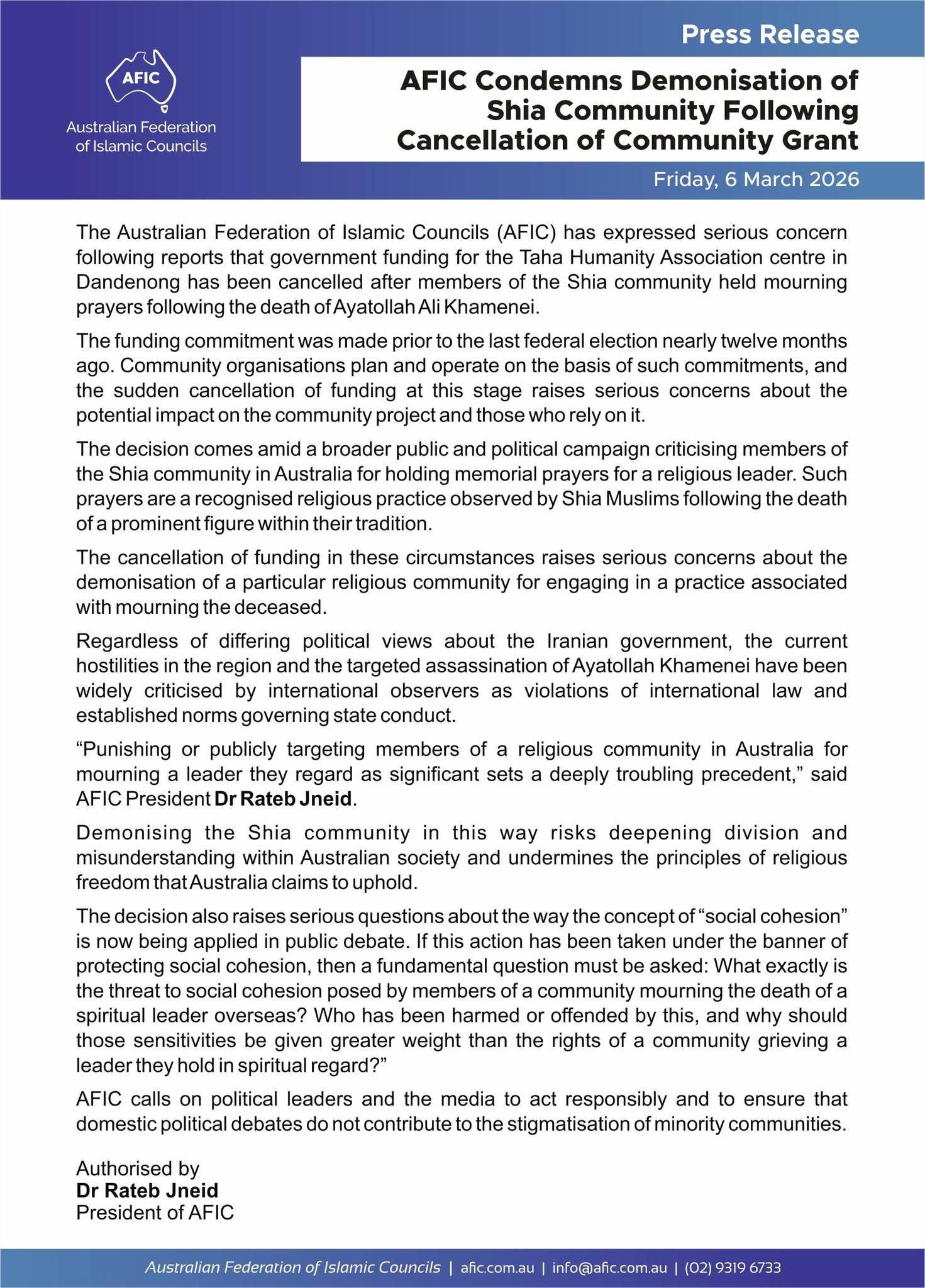
AFIC Condemns Demonisation of Shia Community Following Cancellation of Community Grant
The Australian Federation of Islamic Councils (AFIC) has expressed serious concern following reports that government funding for the Taha Humanity Association centre in Dandenong has been cancelled after members of the Shia community held mourning prayers following the death of Ayatollah Ali Khamenei.
The funding commitment was made prior to the last federal election nearly twelve months ago. Community organisations plan and operate on the basis of such commitments, and the sudden cancellation of funding at this stage raises serious concerns about the potential impact on the community project and those who rely on it.
The decision comes amid a broader public and political campaign criticising members of the Shia community in Australia for holding memorial prayers for a religious leader. Such prayers are a recognised religious practice observed by Shia Muslims following the death of a prominent figure within their tradition.
The cancellation of funding in these circumstances raises serious concerns about the demonisation of a particular religious community for engaging in a practice associated with mourning the deceased.
Regardless of differing political views about the Iranian government, the current hostilities in the region and the targeted assassination of Ayatollah Khamenei have been widely criticised by international observers as violations of international law and established norms governing state conduct.
“Punishing or publicly targeting members of a religious community in Australia for mourning a leader they regard as significant sets a deeply troubling precedent,” said AFIC President Dr Rateb Jneid.
Demonising the Shia community in this way risks deepening division and misunderstanding within Australian society and undermines the principles of religious freedom that Australia claims to uphold.
The decision also raises serious questions about the way the concept of “social cohesion” is now being applied in public debate. If this action has been taken under the banner of protecting social cohesion, then a fundamental question must be asked: What exactly is the threat to social cohesion posed by members of a community mourning the death of a spiritual leader overseas? Who has been harmed or offended by this, and why should those sensitivities be given greater weight than the rights of a community grieving a leader they hold in spiritual regard?”
AFIC calls on political leaders and the media to act responsibly and to ensure that domestic political debates do not contribute to the stigmatisation of minority communities.
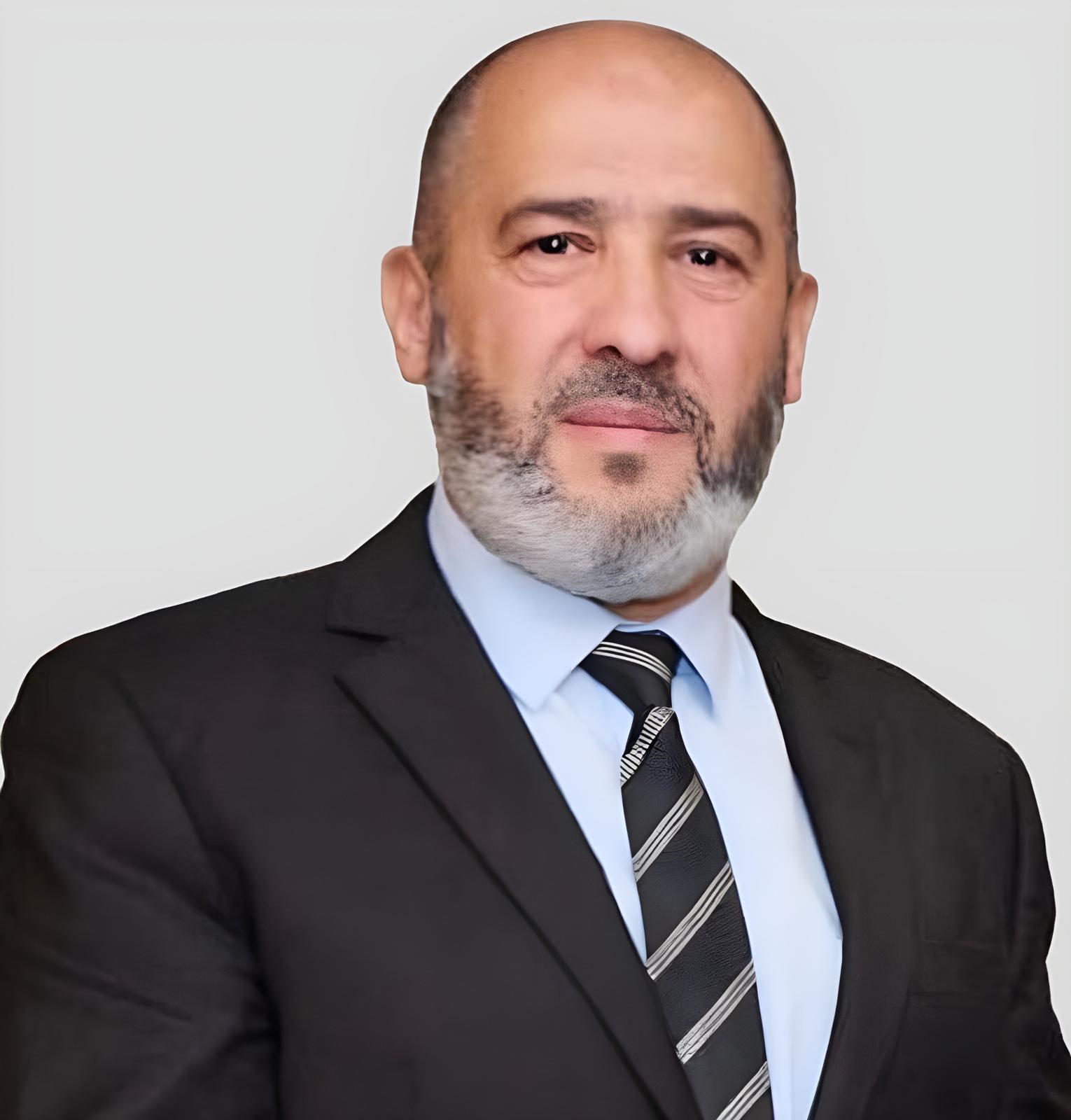
Dr Rateb Jneid
President – AFIC

Related Posts