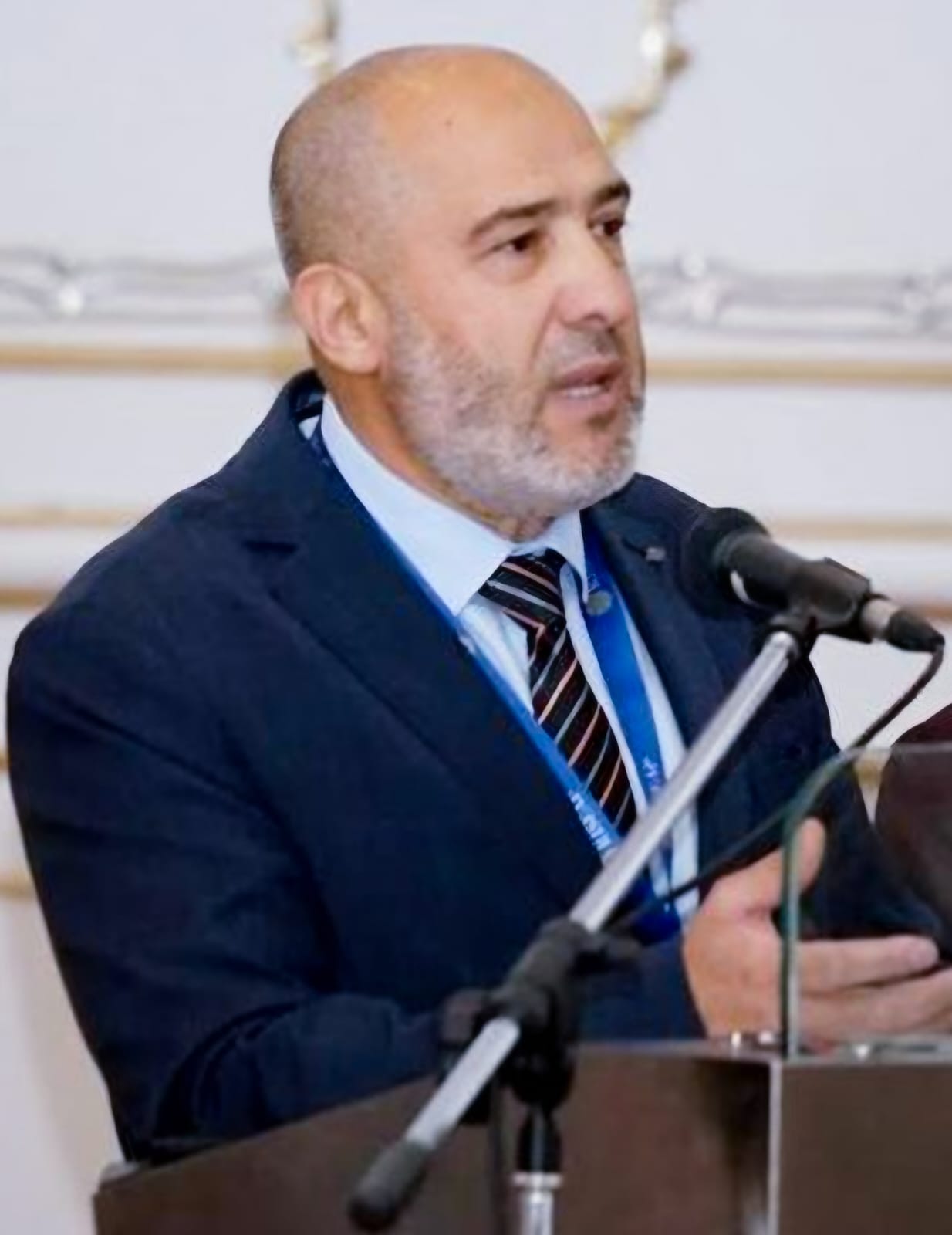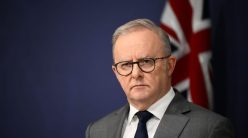


أدان الاتحاد الأسترالي للمجالس الإسلامية برئاسة الدكتور راتب جنيّد، بأشد العبارات الممكنة التصريحات الأخيرة المعادية للمسلمين التي أدلت بها السيناتورة بولين هانسون، واصفًا إياها بالخطرية والمحرّضة وتؤدي إلى تآكل النسيج الاجتماعي في أستراليا.
في الأشهر الأخيرة، قامت حكومات أستراليا بإدخال قوانين شاملة تتعلق بخطاب الكراهية والتحريض على أساس أن الخطاب القوي قد يساهم في حدوث أضرار على أرض الواقع. ومع ذلك، قام عضو في البرلمان بإدلاء ادعاءات عامة تجرد مجتمعًا دينيًا كاملًا من إنسانيته دون مواجهة أي عواقب ملموسة.
يشكك الاتحاد في ما إذا كانت المعايير المفروضة على المواطنين العاديين تُطبق على القادة السياسيين بنفس الطريقة.
قال الدكتور راتب جنيّد، رئيس الاتحاد: “إذا كان مسلم أسترالي قد أدلى بتصريحات مشابهة عن مجتمع ديني آخر، فلا شك لدينا أنه كانت ستتخذ الشرطة إجراءات فورية وتحدث إدانات سياسية قوية. السؤال الذي يحق للأستراليين طرحه هو ما إذا كان النواب معفيين من نفس المعايير التي يشرعونها للآخرين”.
اللغة التي استخدمتها السيناتورة هانسون لا تعبّر فقط عن اختلاف في الرأي أو موقف سياسي. بل تصور مجتمعًا دينيًا كاملاً كمشبوه وخطير بطبيعته. هذا الخطاب يطبع العداء ويخلق بيئة يمكن أن تتصاعد فيها الأحكام المسبقة إلى مضايقات وتهديدات وعنف.
هذا الأمر ليس مجرد نظرية. فالمجتمعات في جميع أنحاء البلاد تشهد بالفعل ارتفاعًا في الإسلاموفوبيا، بما في ذلك التهديدات للمساجد والأفراد. الكلمات الصادرة عن الشخصيات السياسية الوطنية لها وزن وتأثير. وعندما تصوّر هذه الكلمات ملايين الأستراليين كتهديد جماعي، فإنها لا تكتفي بالتقسيم، بل تحرض الآخرين على تصعيد كراهيتهم للأقليات.
ويشير الاتحاد أيضًا إلى أن التشريعات الحديثة قد أدخلت جرائم مشددة على القادة الدينيين الذين يُثبت أنهم يحرضون على الكراهية. ومن ثم، من المعقول التساؤل عن العواقب التي تطبق عندما يشارك المسؤولون المنتخبون في خطاب له أثر واضح ومتوقع في تحريض الكراهية تجاه مجتمع أقلية.
قال الدكتور جنيّد: “يجب أن تكون هناك عواقب جدية وملموسة للقادة السياسيين الذين يتاجرون عمدًا بالخوف والعداء. حرية التعبير لا تعني الحرية من المحاسبة، خاصة عندما يشكل هذا الخطاب خطرًا على زيادة التوترات وتعريض المجتمعات للخطر”.
ويطالب الاتحاد القيادة السياسية عبر الطيف السياسي بالتحرك بعيدًا عن التوبيخ الهادئ وإيضاح أن اللوم الجماعي، والشك العرقي، وسياسة الخوف لا مكان لها في الحياة العامة. لا يمكن الدفاع عن التماسك الاجتماعي انتقائيًا، ولا يمكن تطبيق قوانين التحريض بشكل غير متساوٍ.
كما يرفض الاتحاد الافتراض الكامن بأن المسلمين غرباء عن هذه الأرض أو دخيلين حديثًا على المجتمع الأسترالي. تؤكد الأدلة التاريخية أن التجار المسلمين من ما يُعرف اليوم بإندونيسيا كانوا يشاركون في تجارة وتبادل ثقافي مستمر مع مجتمعات الأمم الأولى في شمال أستراليا منذ بداية القرن السابع عشر، قبل عقود من الاستعمار البريطاني. إن ارتباط المسلمين بهذا القارة يسبق وصول المستوطنين الأوروبيين. وجودنا هنا ليس مشروطًا، ولا يحتاج إلى تأييد من أحفاد الاستعمار. لقد كنا مرتبطين بهذه الأرض لقرون، ونظل جزءًا لا يتجزأ من حاضرها ومستقبلها. انتماؤنا هنا لا يخضع للموافقة السياسية
AFIC Demands Accountability Over Pauline Hanson’s Incendiary Anti-Muslim Rhetoric
The Australian Federation of Islamic Councils, AFIC, has condemned in the strongest possible terms the latest anti-Muslim remarks made by Senator Pauline Hanson, describing them as dangerous, inflammatory and fundamentally corrosive to Australia’s social fabric.
In recent months, governments across Australia have introduced sweeping new hate speech and incitement laws on the basis that strong rhetoric can contribute to real-world harm. Yet a sitting member of Parliament has publicly made sweeping and dehumanising claims about an entire faith community without facing any meaningful consequence.
AFIC questions whether the standards being imposed on ordinary citizens are being applied equally to political leaders.
“If an Australian Muslim had made comparable remarks about another religious community, we have no doubt there would be immediate police action and intense political condemnation,” said Dr Rateb Jneid, President of AFIC. “The question Australians are entitled to ask is whether parliamentarians are exempt from the very standards they legislate for others.”
The language used by Senator Hanson does not merely express disagreement or political opinion. It portrays an entire religious community as inherently suspect and dangerous. Such rhetoric normalises hostility and creates an environment in which prejudice can escalate into harassment, threats and violence.
This is not abstract. Communities across the country are already experiencing heightened Islamophobia, including threats to mosques and individuals. Words spoken by national political figures carry weight. When those words frame millions of Australians as a collective threat, they do more than divide, they incite others with rancour in their hearts to escalate their own hatred for minorities.
AFIC further notes that recent legislation has introduced aggravated offences for religious leaders who are found to incite hatred. It is therefore reasonable to ask what consequences apply when elected officials engage in rhetoric that has the clear and foreseeable effect of inciting hatred toward a minority community.
“There must be serious and meaningful consequences for political leaders who deliberately trade in fear and hostility,” Dr Jneid said. “Freedom of speech does not mean freedom from accountability, especially when that speech risks inflaming tensions and placing communities at risk.”
AFIC calls on political leadership across the spectrum to move beyond muted rebukes and to make clear that collective blame, racialised suspicion and the politics of fear have no place in public life. Social cohesion cannot be defended selectively, nor can laws against incitement be applied unevenly.
AFIC also rejects the underlying implication that Muslims are somehow foreign to this land or recent intruders into Australian society. Historical evidence confirms that Muslim traders from present day Indonesia were engaging in sustained trade and cultural exchange with First Nations communities in northern Australia from at least the early 1700s, decades before British colonisation. Muslim connection to this continent predates the arrival of European settlers. Our presence here is not conditional, and it does not require validation from descendants of colonisation. We have been connected to this land for centuries, and we remain an integral part of its present and future. Our belonging here is not subject to political approval
Dr Rateb Jneid – President