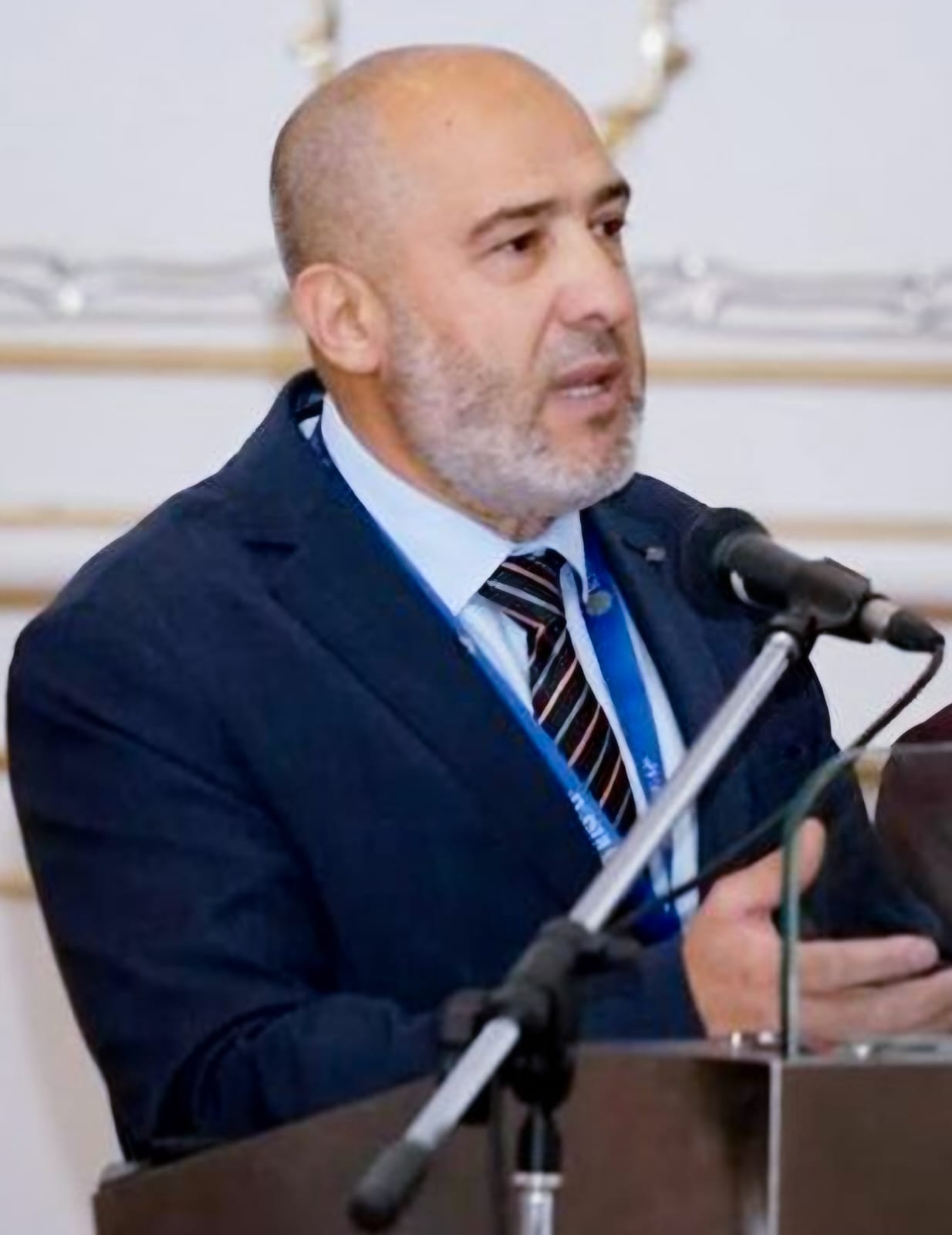


يدين الاتحاد الفيدرالي للمجالس الإسلامية في أستراليا برئاسة الدكتور راتب جنيد، بشدة التشريعات الإسرائيلية المقترحة التي تفرض عقوبة الإعدام بطريقة تُطبَّق حصريًا على الفلسطينيين، ويصفها بأنها انتهاك صارخ للقانون الدولي ودليل إضافي على الطبيعة العنصرية لنظام الفصل العنصري في الدولة الإسرائيلية.
إن القانون الذي ينشئ صراحةً عواقب قانونية مختلفة على أساس الهوية يُكرِّس عدم المساواة، ويؤسس لنظام يُخضع فيه شعبٌ ما لعقوبات أشد من شعبٍ آخر على أفعال متشابهة.
إن مثل هذا الإطار يطابق التعريف القانوني للفصل العنصري بموجب القانون الدولي.
ولا يمكن النظر إلى هذا التطور بمعزل عن غيره، بل يجب فهمه ضمن نمط أوسع ومتواصل، يمتد من دمار غزة، إلى التهجير القسري، إلى توسيع العمليات العسكرية عبر عدة دول، وكلها تعكس نظامًا قائمًا على السيطرة والهيمنة والمعاملة غير المتكافئة.
وقال رئيس الاتحاد، الدكتور راتب جنيّد: “إن هذا التشريع ليس مسألة معزولة، بل هو استمرار للتجاهل الكامل للقانون الدولي من قبل إسرائيل. وهو يؤكد ما خلصت إليه العديد من منظمات حقوق الإنسان، بأن الفلسطينيين يخضعون لنظام من التمييز المؤسسي الذي لا يمكن التوفيق بينه وبين القانون الدولي.”
كما يلاحظ الاتحاد التقارير التي تفيد بأن الحكومة الأسترالية اكتفت بالإعراب عن “قلقها” إزاء هذه القوانين المقترحة.
إن القلق لم يعد ردًا ذا مصداقية.
وقال الدكتور جنيّد: “لأكثر من عامين، سمعنا اللغة ذاتها: قلق بشأن مقتل المدنيين، قلق بشأن التهجير، قلق بشأن توسع النزاع.”
“وخلال الفترة ذاتها، شهدنا ما وصفه العديد من المراقبين الموثوقين بأنه إبادة جماعية وتطهير عرقي، والآن تقنين قوانين تُرسّخ نظام الفصل العنصري. إن القلق لم يوقف أيًا من ذلك.”
تواجه أستراليا اليوم خيارًا واضحًا: إما الالتزام بالقانون الدولي من حيث المبدأ، أو الاستمرار في تطبيقه بشكل انتقائي. ويجب على أستراليا أن تتجاوز البيانات اللفظية وأن تتخذ إجراءات ملموسة وذات معنى.
ويشمل ذلك إثارة القضية في الأمم المتحدة، ودعم ورعاية قرارات تدين صراحة القوانين التمييزية، والتواصل المباشر مع الحكومة الإسرائيلية للتأكيد على أن مثل هذه التشريعات غير مقبولة.
كما دعا الاتحاد الحكومة الأسترالية إلى استدعاء السفير الإسرائيلي وإبلاغه بشكل لا لبس فيه بأن أستراليا ترفض أي إطار قانوني يُكرِّس المعاملة غير المتكافئة على أساس الهوية.
وإذا سُمح بتمرير مثل هذه القوانين دون عواقب، فإن ذلك سيؤدي إلى مزيد من تقويض مصداقية القانون الدولي، ويبعث برسالة مفادها أن الحماية الأساسية لحقوق الإنسان يمكن تجاهلها دون مساءلة.
وقال الدكتور جنيّد: “إن المساواة أمام القانون مبدأ أساسي. وعندما تتخلى دولة عن هذا المبدأ علنًا، ويكتفي المجتمع الدولي بالتعبير عن القلق، فإن العواقب تتجاوز بكثير حدود منطقة واحدة.”
لقد انتهى زمن اللغة الحذرة والدبلوماسية المترددة. فعندما يُقنَّن الفصل العنصري في القوانين، فإن الصمت وعدم التحرك يصبحان تواطؤًا.
على أستراليا أن تتحرك الآن.
AFIC Condemns Israel’s Discriminatory Death Penalty Laws as Further Evidence of Apartheid and Calls for Immediate Australian Action
The Australian Federation of Islamic Councils (AFIC) strongly condemns proposed Israeli legislation that would impose the death penalty in a manner that applies exclusively to Palestinians, describing it as a blatant violation of international law and further confirmation of the apartheid nature of the Israeli state.
A law that explicitly creates separate legal consequences based on identity, codifies inequality. It entrenches a system in which one population is subject to harsher punishment than another for comparable conduct.
Such a framework meets the very definition of apartheid under international law.
This development cannot be viewed in isolation. It must be understood as part of a broader and consistent pattern, from the devastation of Gaza, to forced displacement, to the expansion of military operations across multiple countries, all of which reflect a system of control, domination and unequal treatment.
“This legislation is not an isolated matter but a continuation of the complete disregard for international laws by Israel.,” said AFIC President Dr Rateb Jneid. “It confirms what many human rights organisations have already concluded, that Palestinians are subject to a system of institutionalised discrimination that cannot be reconciled with international law.”
AFIC also notes reports that the Australian government has responded by stating it is “concerned” about the proposed laws.
Concern is no longer a credible response.
“For more than two years, we have heard the same language, concern about civilian deaths, concern about displacement, concern about expanding conflict,” Dr Jneid said.
“During that same period, we have witnessed what many credible observers have described as genocide, ethnic cleansing, and now the formalisation of laws that entrench apartheid. Concern has not stopped any of this.”
Australia now faces a clear choice: whether to uphold international law in principle, or to continue to apply it selectively. Australia must move beyond statements and take tangible, meaningful action.
This includes raising the issue at the United Nations, supporting and sponsoring resolutions that explicitly condemn discriminatory laws, and engaging directly with the Israeli government to make clear that such legislation is unacceptable.
AFIC also called on the Australian government to summon the Israeli ambassador and communicate, in unequivocal terms, that Australia rejects any legal framework that institutionalises unequal treatment on the basis of identity.
If laws of this nature are allowed to pass without consequence, it will further erode the credibility of international law and signal that fundamental human rights protections can be disregarded with impunity.
“Equality before the law is a foundational principle,” Dr Jneid said. “When a state openly abandons that principle, and the international community responds with little more than concern, the consequences extend far beyond one region.”
the time for careful language and cautious diplomacy has passed. When apartheid is being formalised in law, silence and inaction become complicity.
Australia must act.