


تابع الاتحاد الأسترالي للمجالس الإسلامية برئاسة الدكتور راتب جنيد التقارير التي تفيد بأن حكومة أستراليا الغربية تعتزم تقديم تشريع جديد يتعلق بالاحتجاج وخطاب الكراهية.
ورغم أن الاتحاد لم يطّلع بعد على مسودة مشروع القانون، إلا أن النمط المتكرر على مستوى البلاد يبعث على قلق عميق. فالقوانين المتعلقة بحقوق الاحتجاج والتعبير السياسي وخطاب الكراهية يجري التعجيل بها بصورة متزايدة في أجواء مشحونة، مع قدر محدود من الشفافية واستشارات غير كافية. ومثل هذه التشريعات تترتب عليها آثار طويلة الأمد، ولا يجوز التسرع في إقرارها.
وقال الدكتور راتب جنيد، رئيس الاتحاد الأسترالي للمجالس الإسلامية: إن الحكومات عندما تسنّ القوانين في لحظات يسودها التوتر والانفعال، فإن هناك خطراً حقيقياً من أن تكون النصوص الناتجة فضفاضة أو غير متناسبة أو قابلة لسوء الاستخدام. ومتى ما تم إقرار مثل هذه الصلاحيات، فإنها نادراً ما تتراجع، بل تتوسع.
ويعرب الاتحاد عن قلق خاص إزاء التأثير المحتمل على الاحتجاج السلمي والتعبير السياسي المشروع. فحق الاحتجاج يُعد ركناً أساسياً من أركان المجتمع الديمقراطي، وأي خطوة لتقييد هذا الحق بصورة إضافية يجب أن تستند إلى أدلة واضحة، وأن تكون محددة النطاق بدقة، وخاضعة لضمانات قوية.
كما يسعى الاتحاد إلى توضيح طبيعة عملية التشاور التي تعتزم حكومة أستراليا الغربية القيام بها. وحتى الآن، لا يوجد أي إعلان علني عن عملية تشاور منظمة أو شاملة مع المجتمعات المعنية.
وأضاف الدكتور جنيد أن التشاور لا يمكن أن يُختزل في إجراء شكلي. فالمنظمات القائمة على العمل التطوعي، والهيئات الدينية، ومجتمعات الأقليات، يجب أن تُمنح الوقت الكافي وإمكانية الوصول إلى التفاصيل اللازمة لتقييم ما يُقترح بشكل سليم. وأي تقصير في ذلك قد يؤدي إلى تشريع معيب يُضعف الثقة بدلاً من أن يعزز التماسك المجتمعي.
ويدعو الاتحاد حكومة أستراليا الغربية إلى الالتزام بفترة تشاور شفافة وجادة قبل تقديم أي مشروع قانون إلى البرلمان. فالقوانين التي تمس الحريات المدنية، والعلاقات المجتمعية، والمجتمعات الدينية، ينبغي أن تُبنى على مشاركة واسعة، لا أن تُصاغ خلف أبواب مغلقة.
وأكد الدكتور جنيد أن الجميع يسعى إلى مجتمعات آمنة، غير أن الأمن والحرية ليسا قيمتين متعارضتين، بل إن المجتمع الديمقراطي الحقيقي هو القادر على صون كليهما معاً.
ويؤكد الاتحاد استعداده للتفاعل البنّاء، لكنه يشدد على أن أي تشريع يُعجّل به أو يفتقر إلى التوازن أو يُطبق بصورة انتقائية، من شأنه أن يعمّق الانقسام ويقوّض الثقة العامة.
AFIC Raises Serious Concerns Over WA Government’s Proposed Protest and Hate Speech Laws
The Australian Federation of Islamic Councils, AFIC, has noted reports that the Western Australian Government intends to introduce new protest and hate speech legislation.
While AFIC has not yet seen the draft bill, the pattern emerging across the country is deeply concerning. Laws dealing with protest rights, political expression and hate speech are increasingly being fast tracked in highly charged environments, with limited transparency and inadequate consultation. Legislation of this nature carries significant long term consequences and must not be rushed.
“When governments legislate in moments of heightened emotion, there is a real risk that the resulting laws are overly broad, disproportionate, or open to misuse,” Dr Rateb Jneid, President of AFIC, said. “Once enacted, such powers rarely retreat. They expand.”
AFIC is particularly concerned about the potential impact on peaceful protest and legitimate political expression. The right to protest is a cornerstone of democratic society. Any move to further restrict that right must be justified by clear evidence, narrowly tailored in scope, and subject to strong safeguards.
AFIC is also seeking clarity on what consultation process the Western Australian Government intends to undertake. To date, there has been no public indication of a structured or inclusive engagement process with affected communities.
“Consultation cannot be reduced to a box ticking exercise,” Dr Jneid said. “Volunteer based organisations, faith groups and minority communities must be given sufficient time and access to detail to properly assess what is being proposed. Anything less risks producing flawed law that will damage trust rather than strengthen cohesion.”
AFIC urges the Western Australian Government to commit to a transparent and robust consultation period before introducing any bill to Parliament. Laws that affect civil liberties, community relations and religious communities must be built on broad based input, not drafted behind closed doors.
“We all want safe communities,” Dr Jneid said. “But safety and freedom are not opposing values. A democratic society must be capable of protecting both.”
AFIC stands ready to engage constructively, but makes clear that any legislation that is rushed, imbalanced or selectively applied will deepen division and undermine public confidence.
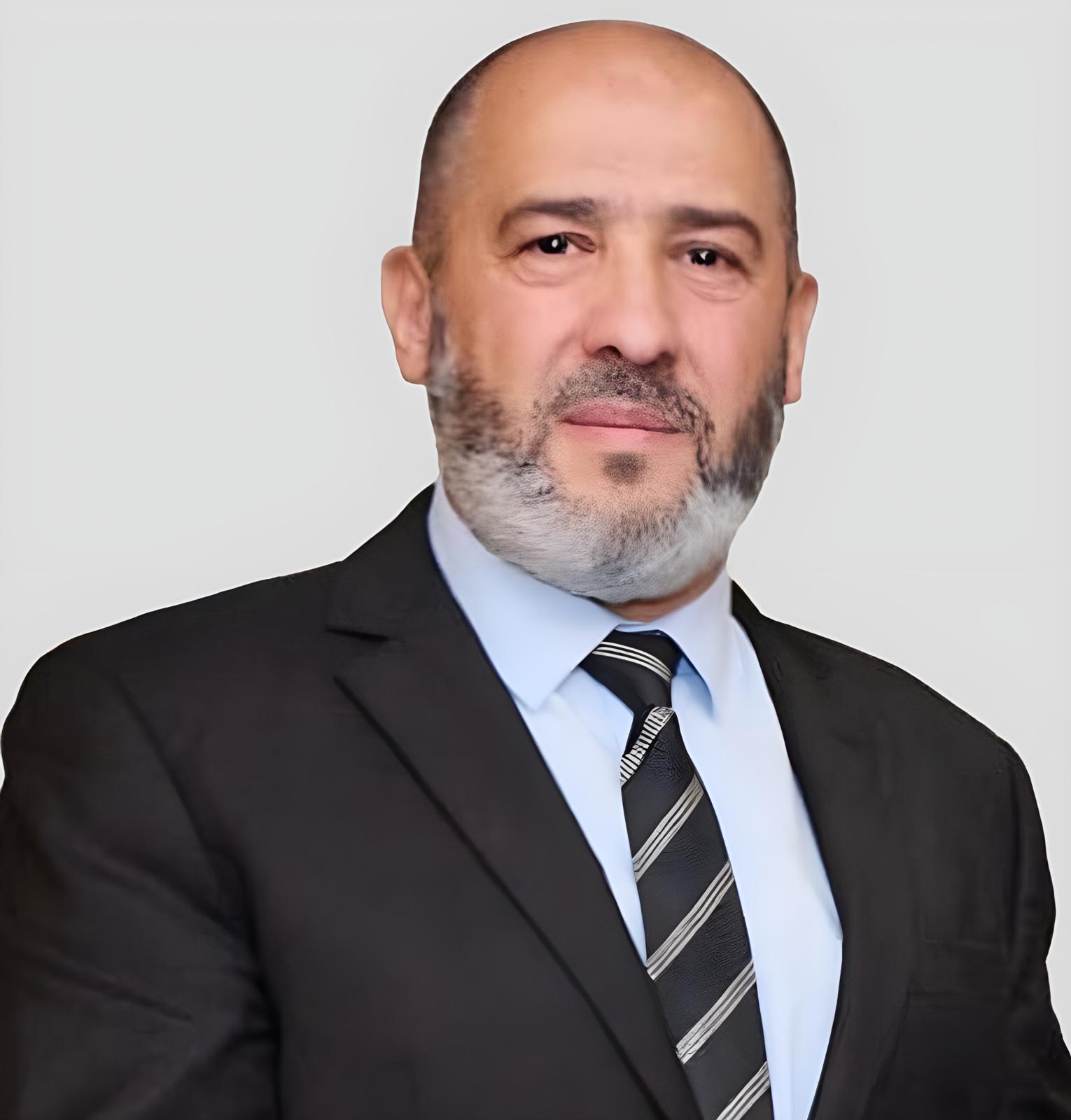
Dr Rateb Jneid
President – AFIC

Related Posts